01
Endemism is not a statistic
Madagascar is a world without a backup. When 90% of a country's wildlife exists nowhere else on Earth, extinction here isn't just a loss—it's an erasure. These species cannot 'migrate' to safety; they live or die within these specific forests.
This irreplaceability is why international support must move beyond statistics and arrive with genuine humility: prioritizing local listening and long-term commitment over quick, top-down projects.
02
Climate shocks meet daily life
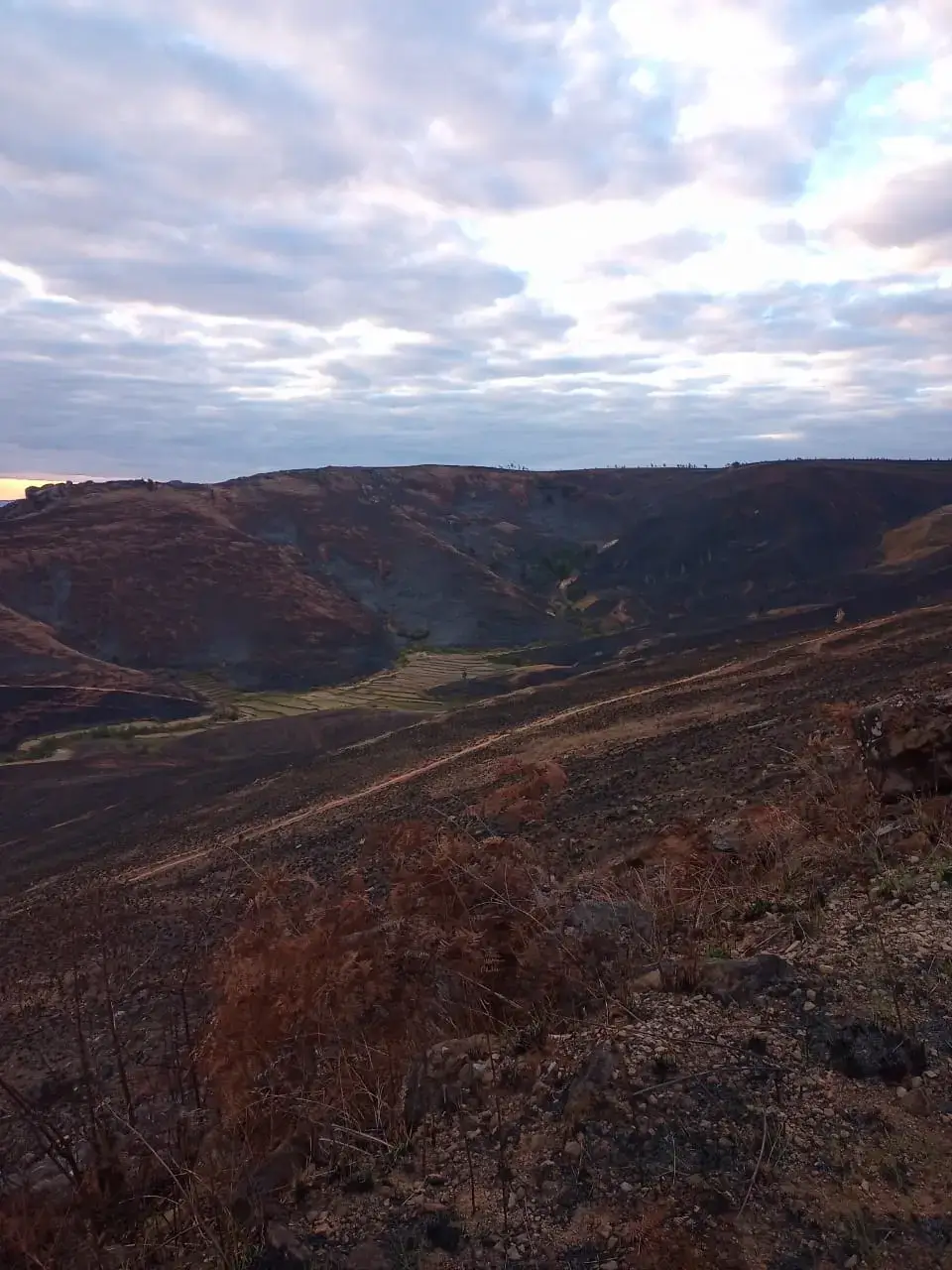
Cyclones, droughts, and floods are not abstract 'future risks'—they are the direct destroyers of harvests, school weeks, and family safety. A conservation story that ignores these human rhythms will always fail to take root.
TNW MAD integrates reforestation directly into the local economy: our nurseries and solidarity products aren't just 'green projects,' they are tools to confront the systemic poverty that often forces a choice between immediate survival and the forest's future.
03
Culture as infrastructure
Books, art, language and public storytelling are not extras after “the real work”. They are how communities recognise themselves in a mission, refuse extractive pity, and pass knowledge between generations.
TCOTPE exists partly as a cleaner home for that story: fewer tabs, clearer paths to support, and room for the awkward, slow truth that restoration takes years.
What TCOTPE adds to the picture
This site is not a second NGO pretending to run the field programme. It is a bridge: solidarity products with transparent handoff, a roadmap that admits what is verified and what is still coming, and contact paths that respect how payments actually work in Madagascar and abroad.
If you are new here, read TNW MAD next — then visit the store when you are ready to make a purchase part of the work.